

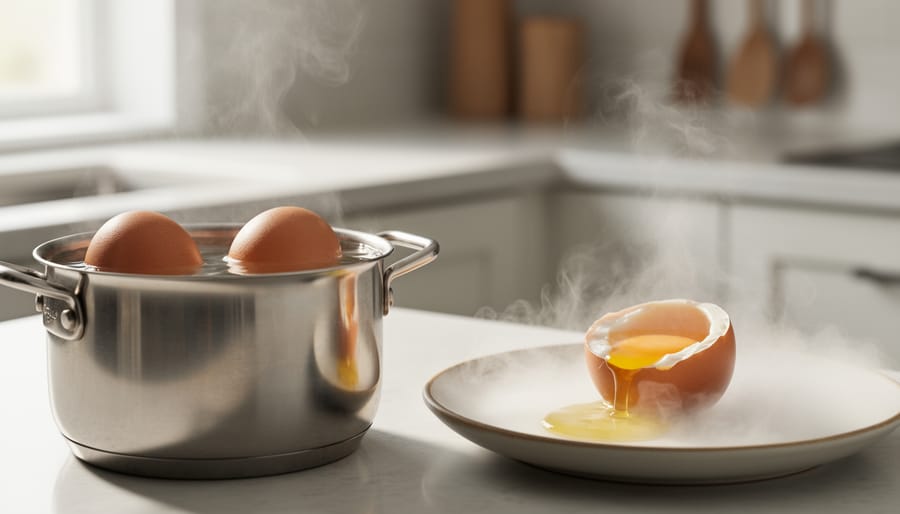
Poached and soft-boiled eggs are the healthiest ways to prepare eggs, preserving nearly all their nutrients while keeping added fats to zero. These gentle-heat methods protect heat-sensitive vitamins and antioxidants that support eye health, brain function, and immunity. The method you choose matters more than you might think: cooking temperature and time directly affect how many nutrients survive the process, how easily your body can absorb the protein, and whether any harmful compounds form.
Eggs are nutritional powerhouses packed with complete protein, vitamins A, D, E, and B12, plus lutein and zeaxanthin for eye health. But exposing them to high heat for extended periods can degrade some of these beneficial compounds. That’s why understanding the relationship between cooking methods and nutrient retention helps you get the most from every egg you eat.
The good news? The healthiest methods are also some of the simplest. You don’t need special equipment or advanced cooking skills to poach or soft-boil an egg. What you do need is an understanding of which techniques preserve nutrition, which ones add unnecessary fats or calories, and how to tell when your eggs are safely cooked. This guide walks you through each method step by step, explains what to watch for, and shows you how to verify your eggs are both nutritious and safe to eat.
Whether you’re meal-prepping for the week or making a quick breakfast, choosing the right preparation method turns a good food into an even better one.
What You’ll Need to Cook Eggs Healthfully
You don’t need fancy equipment to cook eggs in the healthiest way possible. A few basic kitchen tools and quality ingredients will set you up for nutrient-rich results every time.
Start with the right cookware. For boiling and poaching, any medium-sized pot works fine, you’re heating water, not direct-cooking the eggs on metal. For scrambling or gentle cooking methods, choose either a non-stick pan (which lets you use minimal fat without sticking) or a high-quality stainless steel pan. Cast iron can work too, though it may require more oil.
Your cooking fat matters when you need it. Skip butter or margarine in favor of heart-healthy options like extra-virgin olive oil or avocado oil. These fats stay stable at moderate cooking temperatures and don’t introduce trans fats or excessive saturated fat. You’ll only need a teaspoon or two, just enough to prevent sticking.
- Medium pot for boiling and poaching
- Non-stick or stainless steel pan for scrambling
- Extra-virgin olive oil or avocado oil (minimal amounts)
- Fresh eggs stored properly in the refrigerator
- Clean water for boiling and poaching
- Slotted spoon for removing eggs
- Timer for consistent results
- Bowl of ice water for cooling hard-boiled eggs
The fresher your eggs, the better. Fresh eggs have firmer whites that hold together nicely when poached, and their nutrients haven’t degraded from extended storage. Store them in the coldest part of your fridge, not the door.
Why does equipment choice affect nutrition? Non-stick surfaces let you cook with less added fat, reducing unnecessary calories while preserving the egg’s natural nutrient profile. Gentle, even heat from quality cookware prevents the protein and vitamin damage that happens with scorching hot pans or uneven heating.
Important Safety and Nutrition Considerations
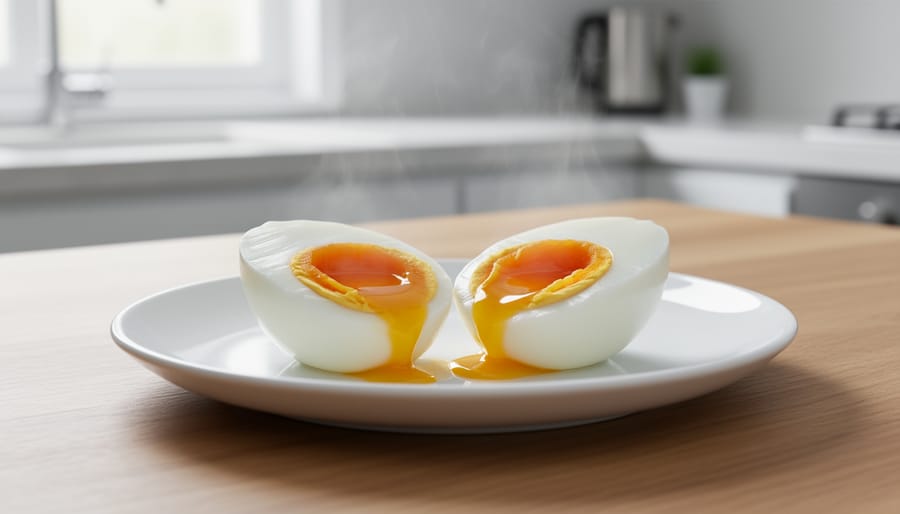
Proper food safety begins with temperature. The FDA recommends you cook eggs to 165°F internal temperature to eliminate the risk of Salmonella bacteria. For most cooking methods, this means eggs should be cooked until both the white and yolk are firm, not runny. If you prefer softer yolks or lightly set whites, you’re accepting a small but real safety risk.
Beyond safety, how you cook matters for nutrition. Excessively high heat can oxidize the cholesterol in egg yolks, potentially forming compounds that are less heart-healthy than unoxidized cholesterol. High temperatures also degrade heat-sensitive B vitamins and antioxidants like lutein. The trade-off is real: frying at high heat may create appealing texture and flavor, but it reduces the nutritional value you’re after.
Cross-contamination is another concern. Wash your hands, utensils, and any surfaces that touch raw eggs before they contact ready-to-eat foods. Don’t crack eggs directly into a pan used for other ingredients without cleaning it first. Store eggs in their carton in the refrigerator, not in the door where temperature fluctuates.
Research shows that cooking affects digestibility of egg protein positively, making cooked eggs more nutritious than raw in terms of protein absorption. However, prolonged cooking or repeated reheating can push you past the point of benefit. Cook eggs just until safe, then stop. Gentle methods that use moderate heat for the minimum necessary time protect both safety and nutrition without unnecessary loss.
Step-by-Step: The Healthiest Egg Cooking Methods
How to Hard-Boil Eggs (Maximum Nutrient Retention)
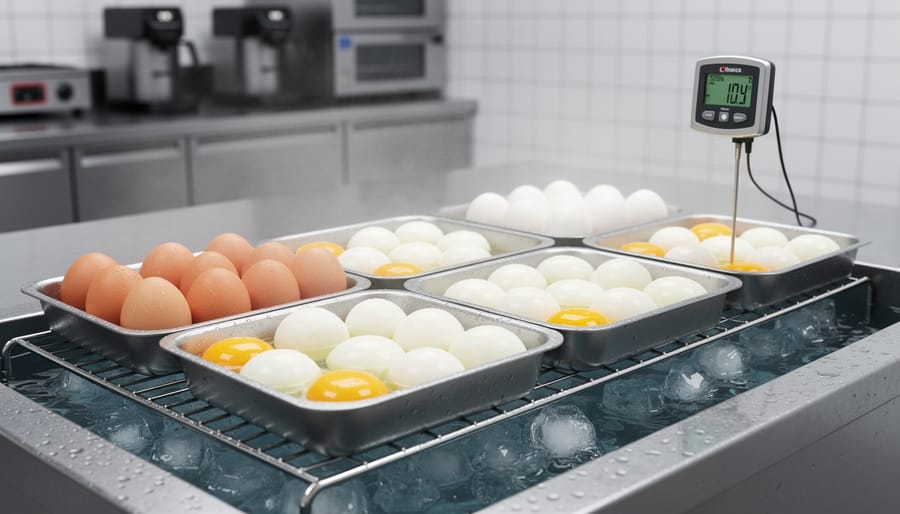
Hard-boiling stands out as the most nutrient-preserving cooking method because it requires no added fats, uses water as a gentle heat conductor, and cooks eggs evenly without exposure to scorching temperatures. The absence of oil or butter means you’re getting pure egg nutrition, while the moderate, consistent heat protects delicate B vitamins and keeps the cholesterol in egg yolks from oxidizing into potentially harmful compounds. The protein structure changes during cooking actually make hard-boiled eggs easier for your body to digest compared to raw eggs.
- Place eggs in a single layer at the bottom of a pot, ensuring they aren’t crowded or stacked.
- Cover the eggs with cold water, filling to about one inch above the tops of the eggs.
- Set the pot on high heat and bring the water to a rolling boil, uncovered.
- Once boiling, immediately remove the pot from heat and cover it with a lid.
- Let the eggs sit in the hot water for 10-12 minutes for large eggs (adjust slightly for different sizes).
- While eggs are cooking, prepare an ice bath by filling a bowl with ice and cold water.
- When the timer goes off, transfer eggs to the ice bath using a slotted spoon.
- Let eggs cool completely in the ice bath for at least 5 minutes before peeling.
The ice bath serves two purposes: it stops the cooking process right when the yolk is set but not overcooked, and it makes peeling dramatically easier. Overcooked eggs develop that greenish ring around the yolk, a harmless but unsightly reaction between sulfur and iron that signals you’ve gone too long. By removing the pot from heat and letting residual warmth finish the job, you ensure the whites are firm and the yolks are cooked through without pushing temperatures higher than necessary.
How to Poach Eggs (Low-Fat, Nutrient-Rich)
Poaching eggs delivers exceptional nutritional value because the method uses no added cooking fat and relies on moderate heat that preserves delicate nutrients. The gentle cooking process keeps the yolk runny or just-set, maintaining the bioavailability of fat-soluble vitamins without oxidizing cholesterol. While poached eggs require a bit more technique than boiling, the result is a tender white and creamy yolk that retains its full nutrient profile.
- Fill a medium saucepan with about three inches of water and bring it to a gentle simmer, you want small bubbles breaking the surface, not a rolling boil.
- Add one tablespoon of white vinegar to the water. The vinegar helps the egg white coagulate faster, keeping it together rather than dispersing into wispy strands.
- Crack your egg into a small bowl or ramekin first. This gives you control and prevents shell fragments from ending up in the water.
- Use a spoon to stir the water in one direction, creating a gentle whirlpool. This motion helps wrap the white around the yolk.
- Slide the egg from the bowl into the center of the whirlpool, keeping the bowl close to the water surface.
- Let the egg cook undisturbed for three to four minutes, depending on how set you want the yolk. Three minutes gives you a very runny yolk; four minutes produces a jammy center.
- Remove the egg with a slotted spoon, letting excess water drain off. You can gently touch the white to check firmness, it should feel set but still tender.
The low temperature prevents nutrient degradation while still cooking the white to a safe, digestible texture. You get all the nutritional benefits of a whole egg without introducing extra calories or fats from cooking oils, making poached eggs ideal if you’re watching calorie intake while prioritizing nutrient density.
How to Soft-Boil Eggs (Nutrient Balance)
Soft-boiling delivers a creamy, runny yolk surrounded by fully set whites. This method falls between hard-boiling and poaching in nutritional benefit, you preserve heat-sensitive nutrients in the liquid yolk while ensuring the whites reach a safe temperature for most people.
Fill a pot with enough water to cover your eggs by about an inch. Bring the water to a rolling boil over high heat, then gently lower eggs into the pot using a spoon to prevent cracking. Start your timer immediately: six minutes produces a jammy yolk with fully cooked whites, while seven minutes gives a slightly firmer but still soft center.
Once time’s up, transfer eggs directly to an ice bath for two minutes to stop the cooking process. This prevents the yolk from continuing to firm up from residual heat. Peel carefully under cool running water, the shells may stick more than with hard-boiled eggs.
The liquid yolk retains more of its original nutrient profile since it hasn’t been exposed to prolonged heat, but this creates a food safety consideration. Runny yolks aren’t recommended for pregnant women, young children, elderly individuals, or anyone with a weakened immune system. For these groups, stick with fully cooked eggs. Healthy adults can enjoy soft-boiled eggs as a nutritious option that balances nutrient preservation with practical safety.
How to Scramble Eggs Healthfully (When Done Right)
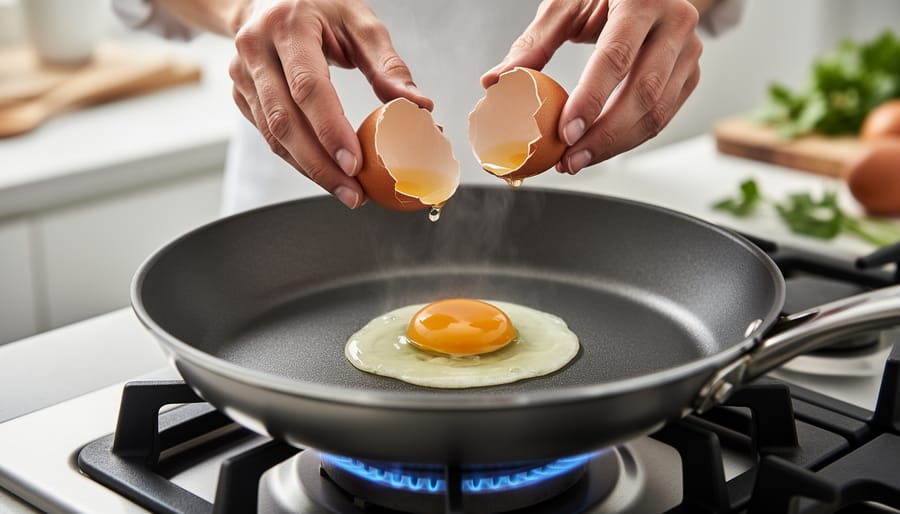
Scrambling eggs can be nutrient-friendly when you control heat and fat. The key is gentle cooking, high heat degrades B vitamins and can oxidize cholesterol, while prolonged cooking reduces overall nutrient availability.
Start by cracking two or three eggs into a bowl. Whisk them thoroughly with a fork until the yolks and whites are fully combined, this creates a uniform texture and helps them cook evenly at lower temperatures.
Place a non-stick or well-seasoned pan over low to medium heat. Let it warm for about 30 seconds, then add roughly one teaspoon of olive oil or avocado oil. These fats withstand moderate heat better than butter and contribute beneficial monounsaturated fats. Swirl the pan to coat the surface lightly.
Pour in the whisked eggs. Resist the urge to stir immediately, let them sit for 10 to 15 seconds until the edges just begin to set. Then, using a silicone spatula, gently push the cooked portions toward the center, allowing uncooked egg to flow to the edges. Repeat this slow folding motion every few seconds.
Remove the pan from heat when the eggs still look slightly wet and glossy. They’ll continue cooking from residual heat and should finish to a soft, creamy consistency. This approach preserves protein quality and keeps heat-sensitive vitamins intact without sacrificing texture or flavor.
Methods to Limit or Avoid for Maximum Nutrition
Some cooking methods diminish eggs’ nutritional benefits, though understanding the trade-offs helps you decide when they still fit your goals. High heat and added fats are the main culprits that reduce nutrient availability or introduce compounds you might want to minimize.
Deep frying exposes eggs to sustained high temperatures that can oxidize cholesterol, potentially forming compounds linked to increased cardiovascular risk. The method also saturates eggs with whatever oil you use, often oils that degrade at frying temperatures or contribute excess saturated fat. If you occasionally enjoy a fried egg, consider using a heat-stable oil like avocado oil and keeping the temperature moderate rather than blasting it on high.
Scrambling eggs over high heat degrades heat-sensitive B vitamins and can make proteins tougher and less digestible. The vigorous cooking also encourages oxidation. Low-heat scrambling preserves more nutrients, but the quick, high-temperature approach common in busy kitchens sacrifices nutritional quality for speed.
Here are the primary methods to approach cautiously if nutrition is your priority:
- Deep frying: high heat oxidizes cholesterol and adds significant fat from the cooking oil
- High-heat scrambling: degrades B vitamins and reduces protein digestibility
- Prolonged cooking: extended heat exposure breaks down vitamins and minerals over time
- Cooking with butter or lard repeatedly: adds saturated fat and can introduce oxidized compounds if reheated
Prolonged cooking, leaving eggs on heat longer than needed, gradually destroys vitamins and can create rubbery textures that signal protein changes. Even gentle methods lose nutritional value if you overcook.
None of these methods are forbidden. Sometimes a crispy fried egg or quick high-heat scramble fits your meal better than a poached egg. Knowing the trade-offs lets you balance nutrition with taste and convenience across your week.
How to Verify You’re Cooking Eggs Healthfully
You can confirm you’re cooking eggs healthfully by checking a few key indicators without needing precise measurements. First, look at texture: properly cooked eggs should appear tender and moist, not rubbery or browned. Hard-boiled eggs are done when the white is firm but not tough, and the yolk is set but still slightly creamy at the center. Poached and soft-boiled eggs should have whites that are just set with yolks that remain runny or jammy.
For safety, eggs should reach an internal temperature that eliminates harmful bacteria while avoiding prolonged high heat that can degrade nutrients. The whites should be fully coagulated and yolks thickened, which happens well before they become dry or chalky. If you’re using a thermometer, aim for gentle heat rather than rapid, intense cooking.
Check your added fats honestly. You need only a light coating of oil for scrambled eggs, about half a teaspoon per egg. If your pan looks greasy or eggs are swimming in fat, you’re using too much. Better yet, stick with boiling or poaching, which require no added fat at all.
Once you’ve mastered these techniques, make them routine. Batch-cook hard-boiled eggs on Sunday for grab-and-go breakfasts, or set aside ten minutes for a poached egg most mornings. Small, consistent habits matter more than occasional perfection. For more ways to build sustainable patterns, explore these healthy nutrition tips that complement your egg preparation skills. Focus on progress, not perfection, and you’ll naturally gravitate toward methods that support your health goals.
Common Questions About Healthy Egg Preparation
Are raw eggs healthier than cooked eggs?
No. Cooking eggs actually improves protein digestibility and makes nutrients more bioavailable without significantly degrading most vitamins and minerals. Heat also eliminates potential bacteria like Salmonella, making cooked eggs safer than raw ones.
Are egg whites alone better than whole eggs?
Whole eggs provide more complete nutrition. While egg whites are pure protein, the yolk contains essential nutrients including vitamins A, D, E, K, B12, folate, and beneficial compounds like choline and lutein that support brain and eye health.
Does cooking affect cholesterol in eggs?
Cooking at moderate temperatures doesn’t significantly alter cholesterol content, but high-heat methods can oxidize cholesterol, which may be less healthful. Gentler methods like boiling and poaching keep cholesterol stable while maintaining the nutritional benefits of whole eggs.
Is microwaving eggs a healthy cooking method?
Microwaving can be healthy if done carefully with lower power settings and brief cooking times. However, uneven heating can create hot spots that degrade nutrients, and rubbery texture often indicates overcooking, so results vary depending on technique.
These questions come up frequently as people work to build healthier habits around everyday foods. Understanding the real nutritional differences helps you make practical choices without overthinking breakfast. Whole eggs cooked gently remain one of the most nutrient-dense, affordable protein sources available, and knowing these basics lets you prepare them confidently while preserving their natural benefits.
Choosing how you cook your eggs really does make a difference. Boiling and poaching stand out because they add no extra fat and use gentle heat that keeps nutrients intact while ensuring safety. You don’t need to overhaul your entire routine, start with one method from this guide and see how it fits into your morning. Small adjustments, like switching from high-heat frying to soft-boiling a few times a week, add up over time. Think of these techniques as tools in your flexible nutrition approach not rigid rules. Experiment, find what works for your taste and schedule, and make healthful egg preparation a habit that sticks.