

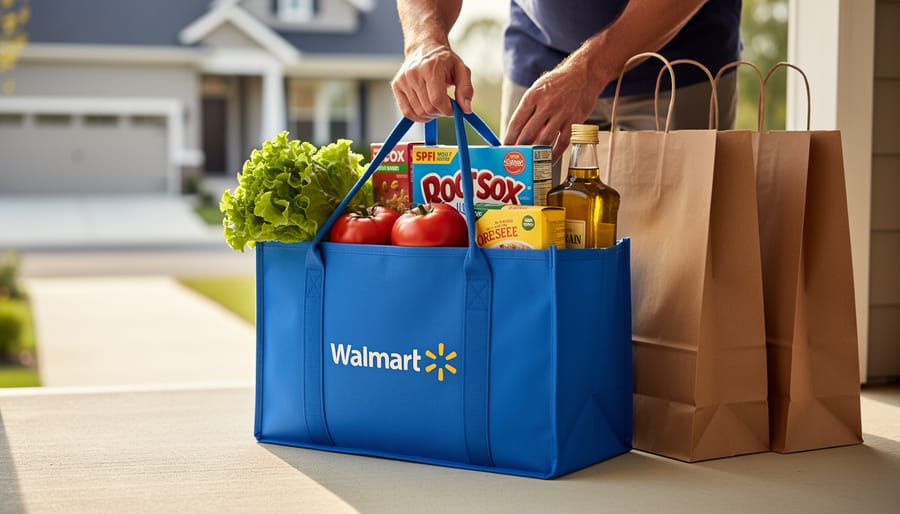
Walmart grocery delivery is a service that brings fresh food and household essentials from a nearby Walmart store directly to your door, typically on the same day you order. For as little as $8.97 per delivery, you can skip the store trip entirely and have everything from organic produce to pantry staples arrive at your home. If your order totals less than $35 before taxes and fees, a $7.97 small order fee applies, but many find the convenience well worth the cost, especially when juggling work, family, and health goals.
This service matters because it removes one of the biggest barriers to eating well: time. When you’re tired after a long day, the last thing you want is to wander grocery aisles. Delivery lets you build a cart of nutritious foods from your phone or computer, compare labels without distraction, and stick to your meal plan without impulse buys. You also get access to the same selection as in-store shopping, including fresh fruits, vegetables, lean proteins, and whole grains that support a balanced diet.
Whether you’re new to grocery delivery or deciding if Walmart’s service fits your routine, understanding how it works, what it costs, and how to use it strategically can turn this tool into a simple way to support your nutrition goals without adding stress to your schedule.
What Walmart Grocery Delivery Means for Your Shopping
Walmart grocery delivery brings groceries from a nearby store straight to your doorstep. Unlike pickup, where you drive to the store and collect your order curbside, delivery means you stay home while a driver brings your items. Shipping, by contrast, sends products through the mail from a warehouse rather than a local store, making it less ideal for fresh foods that need to arrive quickly.
For health-conscious shoppers, this distinction matters. The Walmart grocery delivery model connects you to the same fresh produce, lean proteins, and whole foods you’d find in your local store, but without the time spent navigating aisles or standing in checkout lines. You order online or through the app, select a delivery window, and receive your groceries at home, often the same day.
- Delivery
- A service that brings your grocery order from a nearby Walmart store directly to your home, typically on the same day or within a scheduled window.
- Pickup
- An option where you place an order online and drive to the store to collect it curbside, skipping the in-store shopping experience.
- Shipping
- A method that sends items from a warehouse through the mail, better suited for shelf-stable products than fresh or perishable foods.
- Same Day Delivery
- A delivery option that brings your order to your door within hours of placing it, ideal for last-minute meal planning or restocking fresh ingredients.
- Service Area
- The geographic zone around a Walmart store that qualifies for delivery; if your address falls within this range, you can access the service.
This setup makes it easier to maintain healthy eating habits when life gets busy. You can plan meals around fresh ingredients, avoid impulse buys that derail your goals, and ensure you always have nutritious staples on hand. The service removes the friction between wanting to eat well and finding the time to shop, which is especially valuable for people balancing work, family, or mobility challenges.
How Walmart Grocery Delivery Works
Checking If Your Address Qualifies
Start by signing into your Walmart account through the website or mobile app. Once you’re logged in, look for the prompt that asks “How do you want your items?” Select the Delivery option from the choices presented.
The system will automatically check your address against available stores. If your home falls within range of a store offering delivery services, you’ll see a list of those stores and available timeslots. If no stores appear, your address isn’t currently within the delivery zone.
You can verify this before browsing products. Simply enter your zip code or full address when prompted during the checkout process or account setup. The app will immediately tell you whether delivery is available to your location.
If you’re between service areas or just outside the current range, you might still have pickup options at a nearby store. The same verification process will show you all available methods for receiving your groceries based on your specific address.
This quick check takes less than a minute and prevents you from building a cart only to discover delivery isn’t offered. It’s especially helpful if you’ve recently moved or want to confirm service before planning your weekly healthy meal prep around home delivery convenience.
Choosing Your Delivery Window
Once you’ve confirmed your address qualifies for delivery, you’ll see available timeslots from the participating store. Walmart typically offers same-day and scheduled delivery windows, same-day slots let you receive groceries within hours if you order before the cutoff time (often mid-afternoon), while scheduled delivery lets you book a convenient window days in advance. Choose same-day when you need fresh produce or proteins quickly, or select a future slot if you’re planning weekly meal prep.
Pick a window that matches your routine: early morning for breakfast essentials, evening for post-work convenience, or midday if you’re home. The app displays open slots in real time, so flexibility helps, especially during busy shopping periods. Booking ahead secures your preferred time and gives you space to plan meals around the delivery.
Delivery Options and What They Include
Walmart offers two main delivery options to fit your schedule and shopping needs. Same Day Delivery gets your order to you quickly, often within a few hours of placing it, making it ideal when you realize you’re out of fresh spinach for tonight’s salad or need ripe avocados for tomorrow’s breakfast. Scheduled delivery lets you pick a future date and time that works for you, which suits families planning ahead or anyone who wants to batch their shopping trips into a single weekly or biweekly delivery.
Here’s what each option offers and when to choose it:
- Same Day Delivery: arrives within hours on the day you order; perfect for last-minute needs, restocking perishable produce, or grabbing ingredients for an unplanned meal
- Scheduled Delivery: book a timeslot days in advance; best for weekly meal prep, stocking up on pantry staples and frozen proteins, or coordinating delivery when you’re home to put items away immediately
Both options include delivery from a nearby store straight to your door, covering the full range of Walmart’s grocery inventory, fresh fruits and vegetables, dairy, lean meats, whole grains, and frozen items. If you prioritize fresh, perishable foods like berries, leafy greens, or fish, same-day service reduces the time your groceries spend in transit. For shelf-stable health staples, quinoa, canned beans, nut butters, scheduled delivery works just as well and gives you more control over when items arrive. Either way, you’ll pay the $8.97 Same Day Delivery fee per order, plus the $7.97 small order fee if your total falls under $35 before taxes.
Costs and Fees You Should Know
Walmart’s delivery fees are straightforward, which makes it easier to decide when an order fits your budget. Every Same Day Delivery order costs $8.97, regardless of how much you spend. That fee covers the convenience of having groceries, including fresh produce, lean proteins, and pantry staples, brought to your door the same day you order.
If your order totals less than $35 before taxes and fees, Walmart adds a $7.97 small order fee on top of the delivery charge. For health-conscious shoppers, this means your total fees could reach $16.94 on a small purchase. To avoid the extra charge, aim for a cart that exceeds $35. Stocking up on bulk items like brown rice, oats, canned beans, frozen vegetables, and fresh greens helps you cross that threshold while supporting your meal-prep goals.
Planning larger, less frequent orders makes the most sense financially. If you buy two weeks’ worth of whole grains, nuts, seasonal fruit, and proteins in one trip, you spread the $8.97 fee across more groceries and sidestep the small order surcharge entirely. This approach also reduces packaging waste and gives you a well-stocked kitchen to maintain consistent, nutritious meals without repeated delivery costs eating into your grocery budget.
How to Use Grocery Delivery for Healthier Eating

Walmart grocery delivery turns healthy eating from an intention into a routine by removing the friction between you and nutritious food. Instead of relying on willpower after a long day, you can build your cart in the morning and have fresh ingredients waiting at your door by evening.
Start by adding a meal planning session to your week. Browse the produce section online, select seasonal vegetables and fruit, then move through whole grains, lean proteins, and pantry staples. Save items you buy regularly to a list so future orders take minutes, not an hour. This rhythm helps you stick to flexible nutrition tips without making every meal a decision from scratch.
For busy professionals, scheduled delivery means never facing an empty fridge on a hectic Wednesday. Order on Sunday evening, receive everything Tuesday afternoon, and prep proteins for the week. Parents can involve kids in choosing produce through the app, teaching food choices without the chaos of a store trip. If you’re caring for aging relatives or managing mobility challenges, delivery ensures access to fresh foods without physical strain or transportation worries.
Stock your cart strategically. Add eggs for quick, protein-rich meals, and if you’re curious about cooking methods, check out guidance on the healthiest egg preparation. Fill out orders with canned beans, quinoa, brown rice, and frozen vegetables to stay above the $35 threshold and avoid the small order fee. Buying in reasonable bulk keeps your kitchen ready for simple, nutritious meals without extra trips or costs eating into your budget.
The service works best when you treat it as infrastructure for your goals, not a backup plan. Make it automatic, and healthy eating becomes easier.
Common Questions About Walmart Grocery Delivery
Walmart grocery delivery raises practical questions, especially if you’re trying to maintain healthy eating flexibility while relying on convenience. Understanding the details upfront helps you plan meals around staples like fresh produce and whole grains, and even choose the healthiest eggs without second-guessing your order. Here are the most common concerns and their answers.
Is there a delivery fee for Walmart grocery orders?
Yes, a delivery fee of $8.97 applies to each Same Day Delivery order. For orders below $35 before taxes and fees, an additional $7.97 small order fee also applies.
Can my address receive delivery services?
To check, sign into your Walmart account, select How do you want your items?, choose Delivery, and enter your address. If a nearby store appears, your address is within range; if no stores are listed, delivery isn’t available yet at your location.
How can I keep my groceries fresh upon delivery?
Unpack refrigerated and frozen items immediately. If you won’t be home, choose a delivery window when someone can receive the order, or select a time slot that minimizes exposure to heat or cold.
If your address isn’t in range, consider using pickup instead or checking back periodically, as Walmart expands delivery zones. For same-day orders, place them early in the day to secure a timeslot, especially if you need perishables for dinner prep. Keeping these logistics in mind lets you focus on what matters: filling your cart with nutrient-dense foods that support your wellness goals.
Walmart grocery delivery bridges the gap between your health goals and the realities of daily life. The service brings fresh produce, whole grains, lean proteins, and other nutritious staples directly to your door, saving you time while helping you maintain consistent access to the foods your body needs. Whether you’re managing a busy schedule, avoiding crowded stores, or simply want to streamline meal planning, this flexible option fits into your routine without compromising your commitment to eating well.
Getting started is straightforward: check whether your address qualifies through the Walmart app or website, browse for the foods you need, and choose a delivery window that works for you. With same-day and scheduled options available, you control when items arrive. The service isn’t about perfection, it’s about removing friction from healthy living so you can focus on what matters most.
If you haven’t explored grocery delivery yet, now’s the time to see if your home is within range. Enter your address, review the available stores and timeslots, and place a trial order. You might discover that this small shift makes staying on track with your nutrition goals easier and more sustainable than you expected.